
Alcohol and Sleep
However, the same chemical effects that make alcohol feel calming at first also disrupt normal sleep patterns later in the night. As the body metabolizes alcohol, it interferes with communication between neurotransmitters that regulate sleep and wakefulness. This leads to lighter, more fragmented sleep and frequent awakenings, especially during the second half of the night when blood alcohol levels begin to drop.
If you choose to drink, be aware of the cancer risks, aim to drink less often and have fewer drinks. Alcohol also suppresses anti-diuretic hormone (ADH), which normally tells your kidneys to conserve water. Without it, you will lose more fluids and go to the toilet more often, which contributes to feelings of dehydration after drinking. If you aren’t getting enough high-quality sleep, the experts in our Sleep Centers can help. Older men who consume alcohol are more likely to have a worse sleep profile, characterized by waking tired and waking several times during the night. Alcohol use can impact the quality of your sleep, and research confirms there’s a link between alcohol use and insomnia.
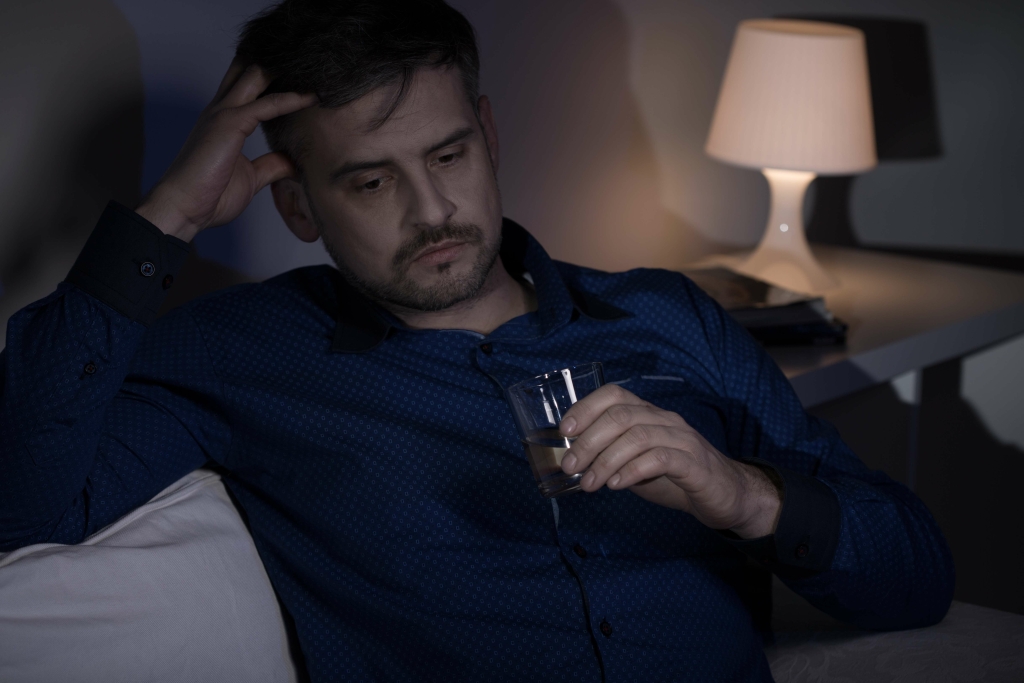
What You Need To Know About Alcohol and Sleep, According to Experts
The biggest issue about consuming alcohol, it can cause insomnia. Drinking alcohol can potentially cause insomnia symptoms and feeling groggy the following day and has been proven to reduce REM sleep. For most people, alcohol induces a deeper-than-usual sleep in the first half of the night, followed by disrupted sleep in the second half of the night. This means it increases urine production, which can lead to dehydration.
- Drinking before bed usually leads to one or more bathroom trips at night.
- It’s a common belief that sleeping can help you sober up after a night of drinking.
- Hectic workdays and busy home life can keep us awake late at night, leading to fatigue, lack of concentration, and irritability the next day.
How Disrupted Sleep Affects the Body
These byproducts are further broken down into water and carbon dioxide, which are then eliminated from the body. So if you can get that good, you should be in a really great spot. That’s kind of, I guess the drug part of it that you’re talking about. I have to tell you, you are the only guest we have where the goal is to put people to sleep with the conversation. If you’re active or training for a specific sport event, it may be worth evaluating your alcohol intake. As mentioned, the snooze-inducing effect of alcohol doesn’t last all night.
Even small amounts of alcohol can significantly reduce the restorative quality of your sleep. Heavy drinking (more than 6 drinks) had an even bigger impact – nearly a 40% reduction in sleep quality on average. In short, even a single nightcap can measurably degrade your sleep, and the more you drink, the worse your night’s recovery becomes. Initially, alcohol’s sedating effects may help increase slow-wave sleep in the first half of the night, considered the deepest sleep stage. While alcohol may help you drift off quickly and deeply, it also disrupts your sleep later in the night, leading to more awakenings and increased light sleep.
Insomnia
Research shows that even late afternoon drinking with a delay of 6 hours before bedtime can disrupt sleep. This is further supported by research that indicates that alcohol has a relatively long-lasting change in circadian rhythm and sleep regulations. However, as a general rule for the odd occasional drink, stick to having a drink with a gap of at least 4-5 hours before bedtime. Further, alcohol acts as a diuretic—meaning it makes you need to pee.
Alcohol may be consumed in beer, wine, and hard liquors like vodka, rum, gin, and whiskey. It is more often consumed at night, also called a nightcap, and may negatively affect your sleep. While alcohol can make you feel tired alcoholism treatment at first, it can also disturb your sleep as it wears off. Now, this doesn’t mean you have to quit your evening glass of wine cold turkey. While alcohol and sleep don’t always play nicely together, understanding how it impacts your sleep can help you make smarter choices.
Health & Wellness
Additionally, frequent drinking can have long-term health consequences, including liver issues and increased does liquor help you sleep anxiety. It’s advisable to consider alcohol-free nights or alternative relaxation methods, such as herbal teas or meditation, to foster healthy sleep habits without relying solely on alcohol. Drinks like warm milk with whiskey or spiced rum can also promote relaxation.
People who typically snore or who have obstructive sleep apnea tend to display more severe snoring and lower blood oxygen levels after drinking alcohol, especially when they drink close to bedtime. People who regularly drink alcohol are 25% more likely to have obstructive sleep apnea, although the connection may be partly due to other shared risk factors such as obesity. While alcohol may initially help you fall asleep faster, it can disrupt your overall sleep quality and lead to frequent awakenings throughout the night. Alcohol is not an effective long-term solution for insomnia and may exacerbate the condition over time. Though alcohol may help you fall asleep faster, it can disrupt the important REM stage of your sleep cycle, leading to lack of sleep or sleep disorders like insomnia.
- Drinking alcohol can act as a diuretic, which increases the amount of urine your body produces and releases.
- In a study interviewing abstinent alcohol dependent people, a substantial proportion described having been aware that alcohol disturbed their sleep, but that they needed to drink to get to sleep.
- Let’s explore some of the most popular nightcap options and their potential sleep benefits.
- There’s a complicated relationship among depression, alcohol, and sleep.
- Researchers have found that alcohol’s sedative effects last only for the first part of the night.
Insomnia Explained: Causes, Symptoms, and How to Overcome Sleep Problems
People, as a whole, are getting less rest and are desperately turning to pills or other aids as a result. Drinking alcohol slows your breathing and relaxes the muscles in your throat. Moderate to heavy drinking can lead to episodes of sleep apnea, even if you don’t have the condition. And for people who do have sleep apnea, alcohol can make things worse. Not only does drinking alcohol leave me with a serious case of acid reflux, though—it also makes getting a good night’s sleep pretty difficult. That’s not surprising, given studies show alcohol negatively impacts sleep.
Alcohol affects sleep – here’s how
Hydration plays a vital role in alcohol metabolism and can help mitigate some of the negative effects of drinking. Alternating alcoholic beverages with water can slow down your alcohol consumption and help prevent dehydration, which contributes to hangover symptoms. And so alcohol has the effect of changing our sleep at night, and changing our sleep at night has the effect of how we function during the day. We sleep for a reason, sleep is foundational to health and wellness.
Circadian Rhythm Fasting
Waking up after a bout of heavy drinking is far from a pleasant experience. But for many people, having one or two drinks before bed doesn’t necessarily lead to the same headaches, grogginess, or fatigue as a full-on night out. The simplest way to keep alcohol from interfering with your sleep is to just not drink.
Leave a Reply
Want to join the discussion?Feel free to contribute!